Titanium mesh
Designation
Standard
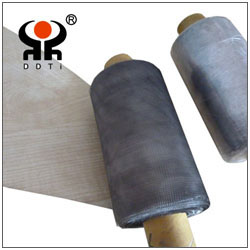
OverviewCraftsmanship: It is woven using titanium wire in a specific warp and weft weaving pattern (plain weave, diagonal weave, dense weave) on a dedicated loom.
Hotline:
+86-917-3412107 +86-18091715917
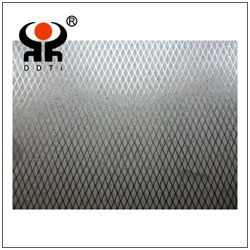
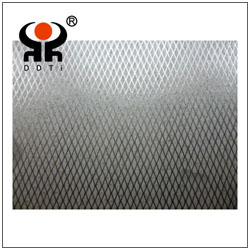
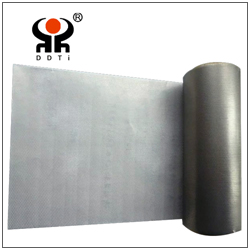
Main types and processes: Woven titanium mesh: Craftsmanship: It is woven using titanium wire in a specific warp and weft weaving pattern (plain weave, diagonal weave, dense weave) on a dedicated loom. Features: Uniform and regular mesh, good flexibility, and can be curled. It is the mainstream form of titanium mesh. Key parameters: wire diameter, mesh size (or aperture), width, weaving method. Punched titanium mesh: Process: It is made by punching regular arranged holes on titanium plates/strips through molds. Features: Good overall rigidity, diverse hole types (round hole, square hole, diamond hole, etc.), high edge strength. Key parameters: plate thickness, aperture, hole spacing, and hole opening rate. Core application areas: Medical implantation: Surgical titanium mesh is a high-end application used for craniofacial repair, bone defect repair, hernia repair, dental implant guidance, etc. The requirements are extremely high. Chemical filtration and separation: used as a filter, screen mesh, catalyst carrier, electrolytic anode mesh, resistant to acid and alkali corrosion. Aerospace: Used for flame suppressors, intake filters, and insulation and sound-absorbing layers in aircraft engines. Marine engineering and aquaculture: seawater filtration nets, aquaculture cages, anti fouling and anti-corrosion structures. Environmental Protection and Energy: Water Treatment Filters, Flue Gas Dust Removal Bags, Fuel Cell Bipolar Plate Flow Fields. Industrial and consumer goods: electromagnetic shielding mesh, decorative grille, safety protection mesh.
|