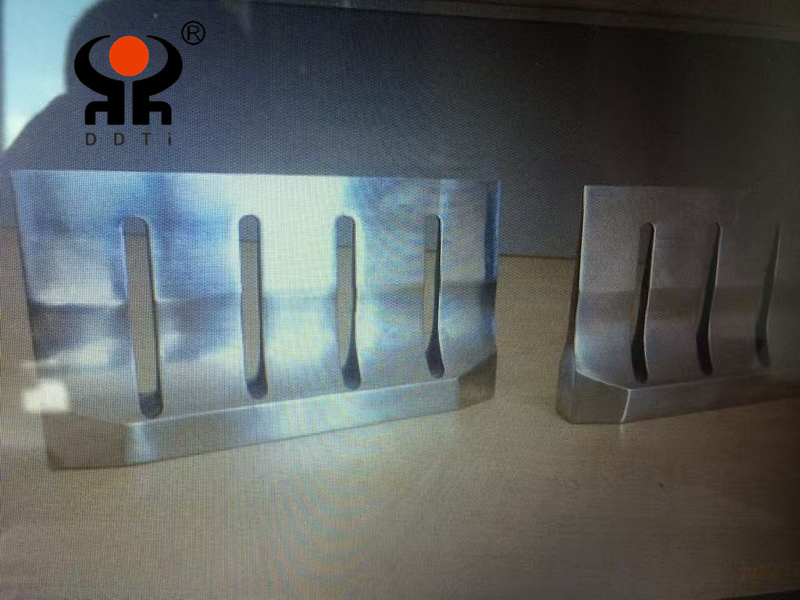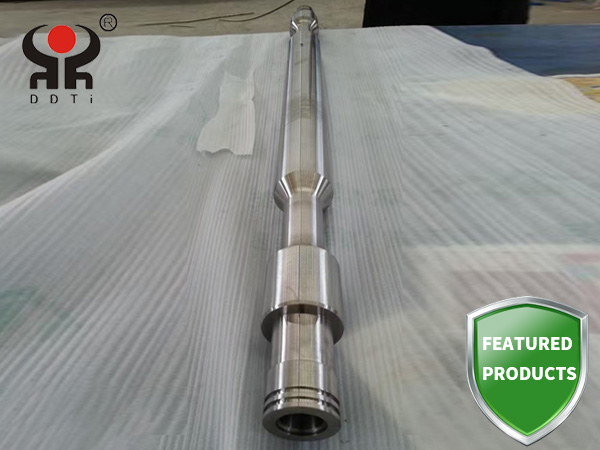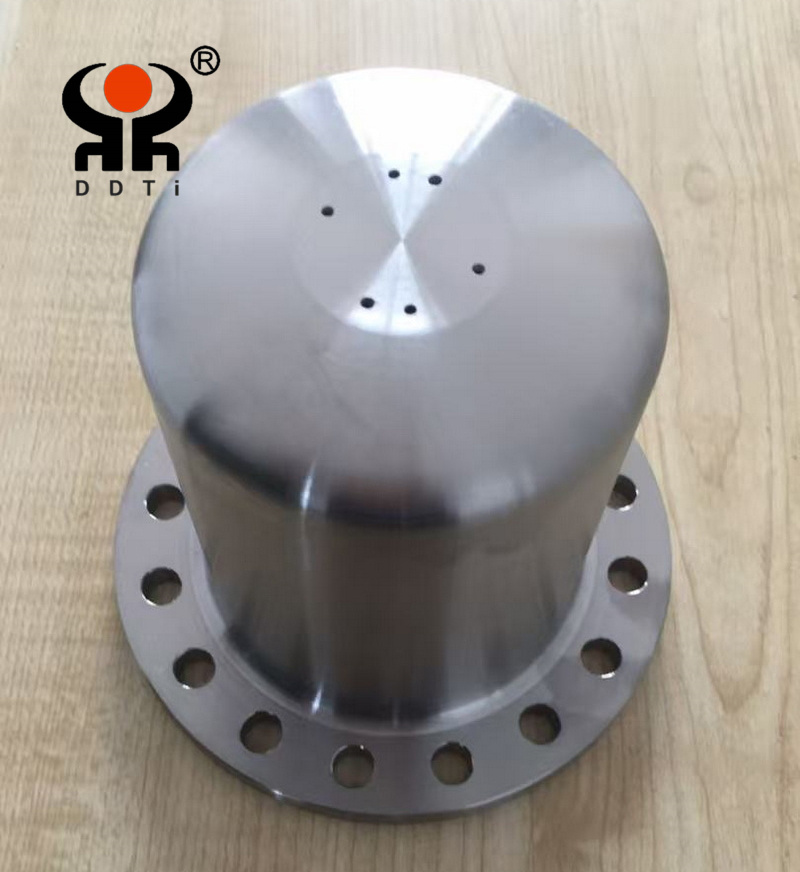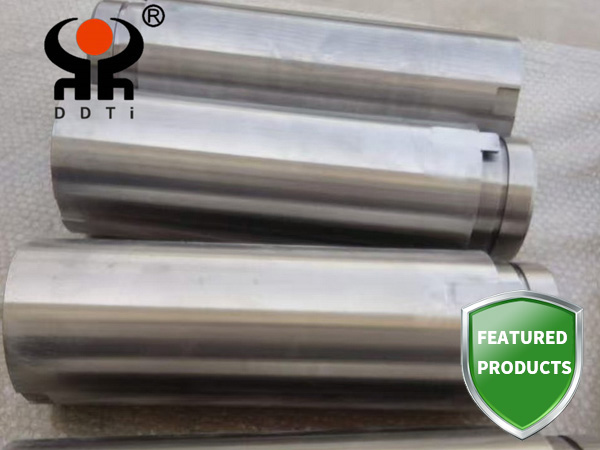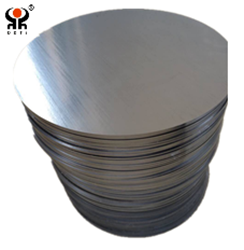
Titanium alloy diaphragm
Designation
Standard
OverviewTitanium alloy soot blower diaphragm, as the "key executive element" of the soot cleaning system of utility boilers and industrial kilns
Hotline:
+86-917-3412107 +86-18091715917
Baoji Dingding titanium | titanium alloy soot blower high temperature and pressure core of membrane boiler soot cleaning system Titanium alloy soot blower diaphragm, as the "key executive element" of the soot cleaning system of utility boilers and industrial kilns, directly controls the start and stop of soot blowing medium (steam/compressed air) injection and pressure stability. Its high temperature resistance, erosion resistance and sealing reliability directly determine the soot blowing efficiency and boiler operation safety. Relying on the material advantages and precision rolling technology of "China Titanium Valley", Baoji Dingding titanium products Co., Ltd. focuses on the R&D and production of titanium alloy soot blower diaphragms of TC4, TC11, TA1 and other special brands. Through the integrated process of "precision rolling+high temperature aging treatment", the thickness tolerance of the diaphragms is ≤± 0.02mm, and the high temperature elastic recovery rate is ≥ 98%, which is perfectly suitable for the harsh working conditions of boiler soot blowing systems in thermal power, steel, chemical and other fields. 1、 Core advantage: performance barrier of titanium alloy diaphragm Compared with stainless steel, copper alloy and polymer diaphragms, titanium alloy diaphragms have significant advantages in comprehensive performance, and solve the industry pain points of "elastic attenuation, corrosion failure and accuracy drift" of traditional diaphragms: Excellent elastic resilience The elastic modulus of TC4 titanium alloy diaphragm reaches 110GPa. After 10 cycles of opening and closing at 350 ℃, the elastic recovery rate is still ≥ 98%, which is not easy to produce deformation. It ensures that the soot blowing medium injection pressure is stable, which is more than 8 times longer than the service life of stainless steel diaphragm, and greatly reduces the frequency of shutdown and replacement. Global corrosion resistance The dense oxide film on the surface can resist the synergistic erosion of high-temperature steam, boiler flue gas (sulfur and nitrogen oxides) and dust. The corrosion rate in the 5000 hour high-temperature corrosion test is ≤ 0.0001mm/year. It has no corrosion and aging in the complex environment of the boiler, and avoids soot blowing failure caused by membrane damage. Ultra high dimensional accuracy The multi roll precision rolling process is adopted. The thickness tolerance of the diaphragm is ≤± 0.02mm, and the flatness error of the sealing surface is ≤ 0.01mm/m, ensuring a close fit with the soot blower valve seat. There is no medium leakage under high pressure, ensuring that the soot blowing pressure is accurately transmitted to the nozzle. Wide temperature range adaptability It has stable performance in a wide temperature range from -50 ℃ (shutdown and low-temperature environment) to 500 ℃ (high-temperature soot blowing condition), with elastic modulus fluctuation ≤ 2%, without low-temperature embrittlement and high-temperature softening, and is suitable for the temperature alternation scenario of boiler startup and shutdown and continuous operation. 2、 Core brand and customized specification: covering the requirements of the whole scene According to the working requirements of different types of soot blowers such as utility boilers and industrial kilns, we provide standardized and customized titanium alloy diaphragm solutions, covering the full specification requirements from pulse soot blowers to long telescopic soot blowers:
3、 Core application field: scene landing of titanium alloy soot blower diaphragm 1. thermal power industry: the "core of ash cleaning guarantee" for utility boilers The soot blowing system of thermal power plant boilers (pulverized coal boilers, circulating fluidized bed boilers) has high requirements for the high temperature and pressure resistance of the diaphragm, and the titanium alloy diaphragm can be perfectly matched: -TC4 corrugated diaphragm is used for the long telescopic soot blower of 300MW unit boiler. Under the high temperature of 380 ℃ and 35MPa steam pressure, the elastic recovery is stable after 10 times of opening and closing, and the soot blowing pressure fluctuation is ≤ 0.5MPa. Compared with the traditional stainless steel diaphragm, the service life is extended from 3 months to more than 2 years, reducing the loss of shutdown maintenance; -TC11 high temperature diaphragm is suitable for 660MW ultra supercritical boiler soot blower. It has no softening deformation under extreme conditions of 480 ℃. It can resist the corrosion of sulfur oxides in boiler flue gas, ensure the continuous operation of soot blowing system, and improve the boiler thermal efficiency by 1.2%. 2. chemical and steel industry: the "corrosion resistant ash cleaning element" of industrial furnaces The flue gas of industrial furnaces such as chemical cracking furnace and steel blast furnace contains highly corrosive components, and the titanium alloy soot blower diaphragm can realize corrosion-resistant soot cleaning: -TA1 pure titanium diaphragm is used in the soot blower of chemical ethylene cracking furnace, which can resist the corrosion of chlorine and fluoride in cracking gas, and the sealing surface has no leakage, ensuring that the soot blowing medium is accurately sprayed to the furnace tube surface, reducing the risk of furnace tube blockage caused by coking; -TC4 erosion resistant diaphragm is suitable for soot blower of blast furnace gas purification system of iron and steel. After surface nitriding treatment, it can resist high-speed erosion of dust particles, and the wear amount is ≤ 0.005mm/1000 hours to ensure gas purification efficiency. 3. waste incineration and environmental protection: a "stable ash cleaning carrier" under special conditions The flue gas composition of waste incinerator and hazardous waste treatment furnace is complex (including heavy metals and acidic substances), and titanium alloy membrane can realize stable ash removal control: -TC4 high-temperature corrosion-resistant membrane is used for the soot blower of waste incinerator. Under the high temperature of 450 ℃ and the corrosion of chlorine containing flue gas, its service life is 6 times longer than that of the traditional membrane, so as to avoid the paralysis of soot blowing system caused by membrane damage and reduce the generation of dioxin; -TA1 diaphragm is suitable for soot blower of desulfurization and denitrification system, with excellent acid and alkali corrosion resistance, which ensures the normal operation of soot blower in wet desulfurization environment and improves the filtration efficiency of flue gas purification equipment. 4. gas and heat supply: the "economic ash removal option" under low pressure conditions -Gas fired boiler: TA1 flat diaphragm is used for the low-pressure soot blower of gas-fired heating boiler, with temperature resistance and sealing performance suitable, more economical cost than TC4, and service life of 18 months, meeting the ash cleaning requirements of small and medium-sized boilers; -District Heating Furnace: TC4 thin diaphragm is used for soot blower of central heating boiler. Its lightweight characteristics reduce the load of soot blower actuator, and the opening and closing response speed is increased by 20%, ensuring stable heating. 4、 Quality assurance: military industry level whole process control system 1. exclusive control of raw materials: use ≥ 99.8% high-purity sponge titanium, high-temperature brand is low gap element sponge titanium, which is melted by vacuum consumable arc furnace for ≥ 3 times to ensure stable high-temperature performance of the diaphragm, and each batch of raw materials is attached with component analysis and traceability report; 2. precision manufacturing process: the process of "multi roll precision rolling+high temperature aging treatment+numerical control molding" is adopted, and a 20 roll reversible cold rolling mill and a high temperature heat treatment furnace are equipped to eliminate the internal stress of the diaphragm and ensure the dimensional stability under high temperature environment. The sealing surface adopts ultra precision grinding process; 3. full inspection and verification: all pass the thickness gauge inspection, high-temperature elastic recovery test, corrosion resistance test and ultrasonic flaw detection (military grade I). Key customers can provide high-temperature working condition simulation test report to ensure that the diaphragm meets the actual operation requirements; 4. customized surface treatment: it can provide customized services such as nitriding strengthening, high-temperature anti-oxidation coating, precision polishing, etc., to improve the erosion resistance, high-temperature corrosion resistance and sealing performance of the diaphragm, and meet the requirements of different soot blowing conditions. Baoji Dingding titanium: the core supplier of titanium alloy diaphragm The company is located in Baoji high tech Zone, the "China Titanium Valley". It has three special production lines for titanium alloy soot blower diaphragms, with an annual production capacity of 5million pieces. It has passed the ISO9001 quality management system and the national military standard gjb9001c certification, and is qualified for supporting power station equipment. The products have served Huaneng, Datang, SDIC and other power groups as well as leading steel and chemical enterprises, and become the preferred partner of titanium alloy soot blower diaphragm. Technical advantages: core competence of high temperature corrosion resistance and accurate fitting of soot blower Complete qualifications: ISO9001, gjb9001c, ISO 13485 certification Service assurance: 24-hour technical support, customized solutions and rapid response Scheme consultation: send soot blower model, boiler type and working condition parameters to 530975155@qq.com Free access to diaphragm adaptation scheme and sample testing
|