Artificial joints are the most challenging and technologically advanced segment in the orthopedic implant market, with the highest manufacturing threshold and process difficulty. In recent years, with the advancement and innovation of medical technology, the design and manufacturing level of artificial joint prostheses has been continuously improved. Therefore, artificial joint products have higher requirements for precision casting and forging, precision grinding, deburring, surface polishing accuracy, cleaning and aseptic treatment, etc.
Artificial joint processing starts from rough castings and requires high precision in shape, up to the final size. The machining process requires a combination of grinding and milling, and requires improved polishing ability and efficiency. Minor errors in the processing can have a significant impact on the quality of life. The success of joint replacement surgery and the lifespan of the implant depend not only on the success of the surgery, but also on the quality of the implant itself.
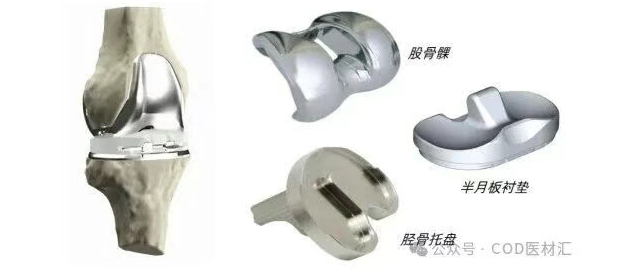
On the occasion of the 3rd COD Orthopedic Implant Equipment Conference, the conference focuses on the source production process, innovative design concepts, advanced manufacturing processes, and extensive product applications of orthopedic and dental implant equipment; Comprehensive one-stop understanding of the production, processing, and manufacturing of key components in orthopedics and dentistry, building a collaborative bridge for the upstream and downstream of the industry chain, and helping the industry achieve high-quality transition.
Below, the editor has compiled a summary of representative enterprises based on the entire process chain and core links of artificial joint manufacturing. If there are any omissions, please feel free to criticize, revise, or supplement! (189 38937224 with WeChat)
1: Design and Modeling
Based on the anatomical structure and functional requirements of human joints, computer-aided design (CAD) software is used to create a three-dimensional model of artificial joints, accurately defining parameters such as size, shape, curvature, etc., to ensure good matching with human bones and tissues.
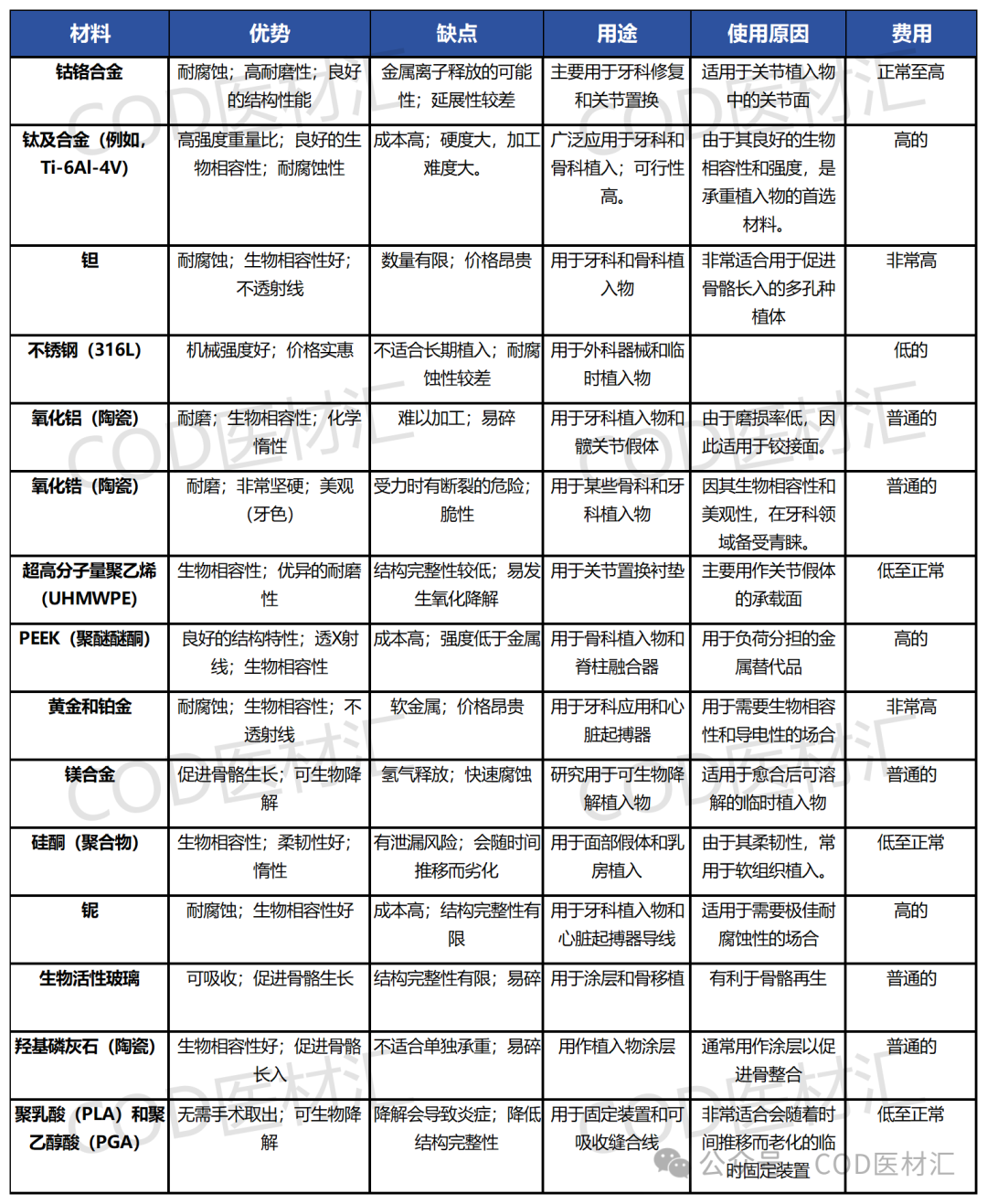
2: Preparation of raw materials for artificial joints
As an important means of treating joint injuries and lesions leading to functional loss, material selection is the most important step in the manufacturing process of artificial joints, such as cobalt chromium alloys, titanium alloys, polyethylene, etc. These materials need to have good biocompatibility, wear resistance, corrosion resistance, and mechanical properties. And inspect and pre treat the raw materials, such as removing surface impurities, oxide layers, etc., to ensure that the material quality meets the standards.
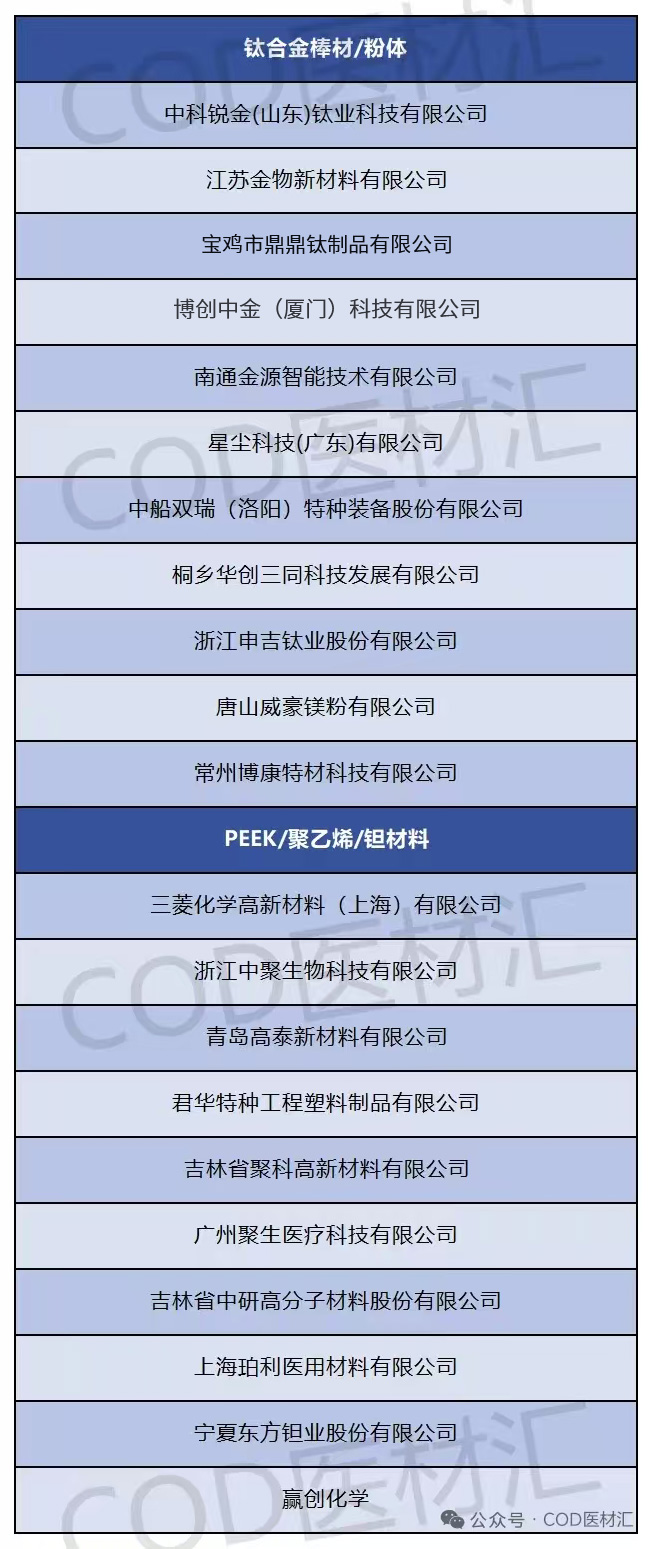
3: Rough processing
Necessary processing of raw materials, such as cleaning, cutting, forging, or casting, to form preliminary blank shapes and reduce subsequent processing volume.
Rough machining: Using milling machines, lathes, and other equipment to perform preliminary machining on the blank, removing most of the excess to make the part approach the design size and shape. At this stage, milling, turning and other processes are mainly used for rapid prototyping, laying the foundation for subsequent precision machining.
Heat treatment: Heat treatment is performed on the blank to improve its hardness and wear resistance, and to enhance the microstructure and properties of the material.
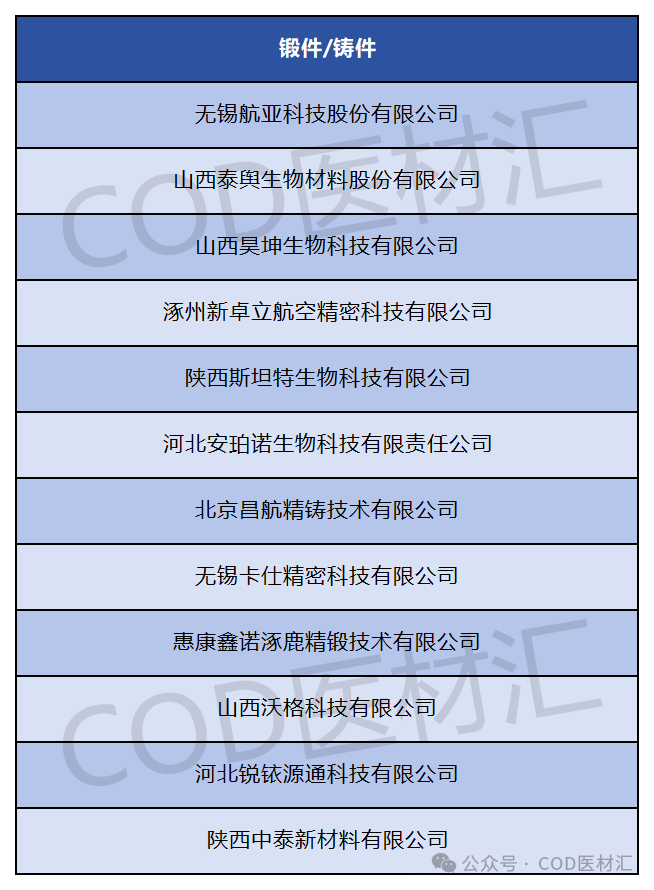
4: Precision machining
Grinding: CNC grinding machines are used to perform precision grinding on key parts of joints, such as spherical surfaces, curved surfaces, mating surfaces, etc., to ensure that dimensional accuracy, shape accuracy, and surface roughness meet the requirements. Grinding can use ultra hard grinding wheels such as CBN and diamond, suitable for high hardness materials.
Honing: Honing is performed on parts that require extremely high precision and surface quality, such as the hip joint ball, knee joint condyle, etc., to further improve surface smoothness and dimensional accuracy, reduce friction and wear.
Milling and drilling: Milling and drilling of joint connection parts, installation holes, etc. to ensure assembly accuracy and stability.
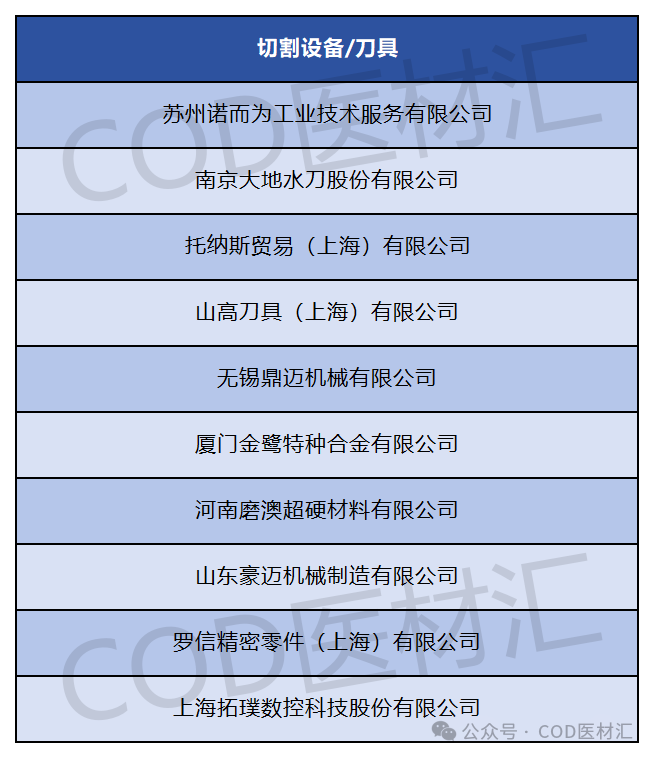
5: Surface treatment
Polishing, as the final key precision machining process, aims to reduce the roughness of the implant surface, thereby reducing friction and wear, and thoroughly removing machining marks such as burrs, abrasion marks, and knife marks. Any minor flaws on the surface of implants can pose a risk of infection and affect their compatibility and healing with human tissues. However, with existing technology, we can achieve a polishing effect without chips, burrs, or micro cracks without changing the microstructure of the metal material.
Polishing: Removing small surface defects, burrs, and processing marks through mechanical polishing, electrolytic polishing, and other methods, reducing surface roughness, minimizing the risk of infection, and improving biocompatibility.
Coating treatment: Spray hydroxyapatite, tantalum and other coatings on the joint surface to enhance bone integration ability, antibacterial performance or improve surface properties, and extend service life.
Sandblasting treatment: Sandblasting the joint surface to increase surface roughness, promote the bonding between bone tissue and prosthesis, and remove surface oil stains and impurities.
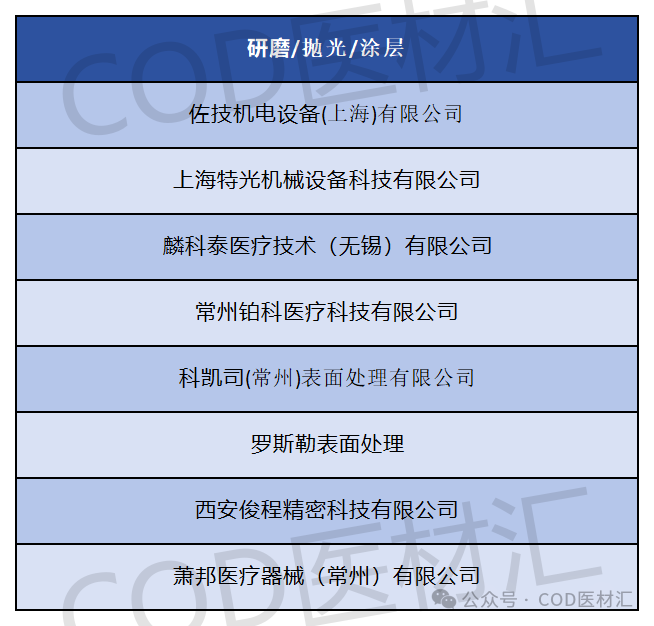
6: Testing and Inspection
Use coordinate measuring machines, optical measuring instruments, and other equipment to detect the size, shape, and positional accuracy of joints, ensuring compliance with design requirements and medical standards.
Conduct mechanical performance testing, wear resistance testing, biocompatibility testing, etc. to evaluate the quality and reliability of joints.
Perform non-destructive testing (such as X-ray, ultrasonic testing, etc.) on joints to check for internal defects or cracks.
7: Cleaning and packaging
Thoroughly clean the joints using ultrasonic cleaning, high-pressure water flushing, and other methods to remove residual oil stains, chips, abrasives, and other impurities during the processing, ensuring sterility.
Dry and sterilize the cleaned joints to eliminate microbial contamination and maintain the sterile state of the product. Then package according to strict packaging standards to prevent contamination and prevent damage during transportation and storage. The packaging material should have good sealing and moisture resistance.
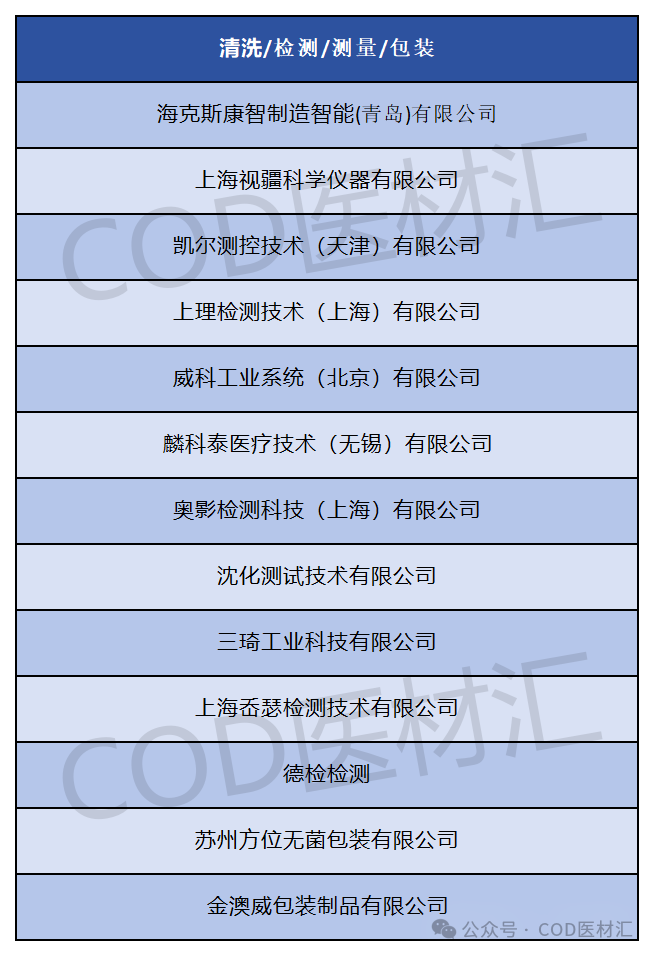
The above process covers the entire process of designing and producing artificial joints. In actual production, adjustments and optimizations may be made based on specific product and process requirements. Each of these precision machining steps plays a crucial role in the overall performance of knee joint prostheses, ensuring their strength, durability, and ability to withstand the needs of the human body for many years.
|


